
Reimagining Toronto Housing Strategy Beyond Taxation Toward Diversified and Affordable Solutions
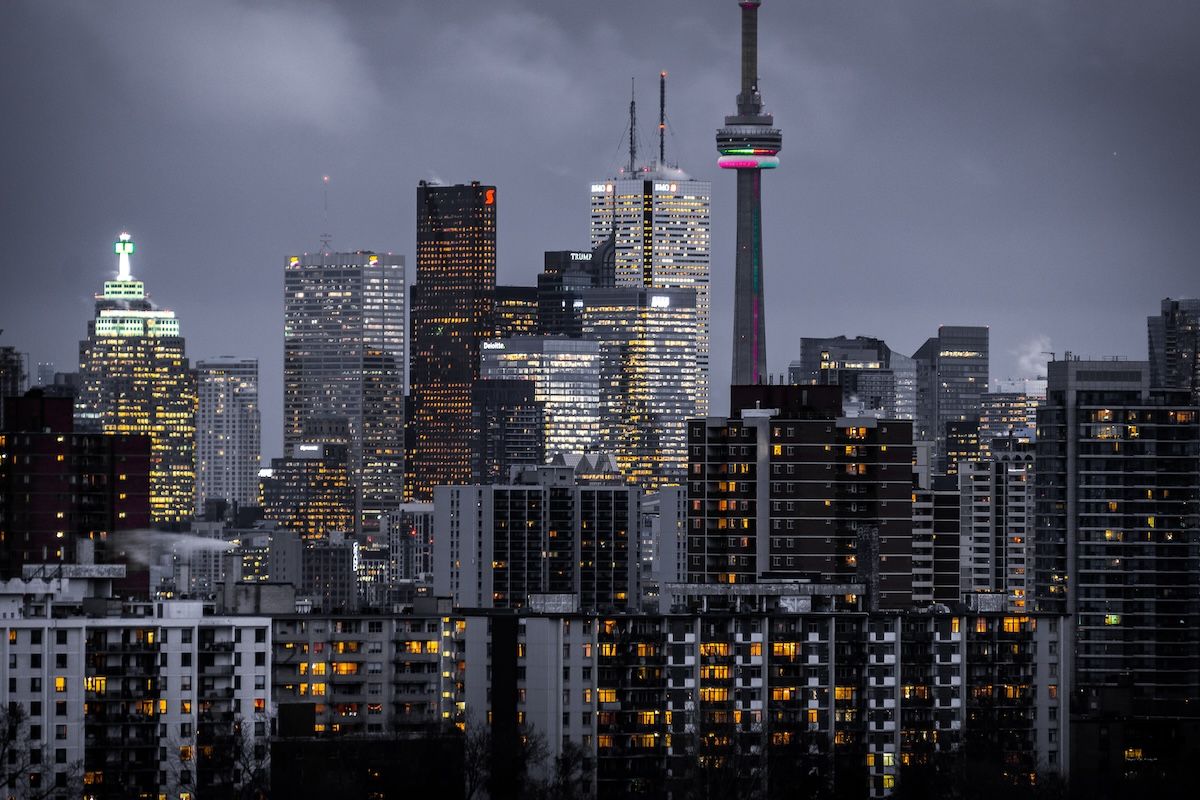
Image by : unsplash
The Toronto City Council's recent decision to triple the Vacant Home Tax (VHT) and implement a graduated Municipal Land Transfer Tax (MLTT) aims to address the city's budget deficit and housing crisis. However, these measures, although introduced to alleviate these challenges, might not significantly improve housing supply and affordability. The taxes are considered band-aid solutions with inherent limitations.
The impact of these taxes extends beyond high-value property owners, affecting buyers across all price ranges. The MLTT discourages luxury property sales, creating a bottleneck that halts move-up buyers, leaving first-time buyers stranded in rentals. This stagnation reduces listings, affecting market circulation, especially concerning in a market that experienced a 23.5% decline in listings in 2023. The increased cost of rent, up by 4.1% year-over-year, coupled with fewer affordable rentals, further impedes renters from entering the market.
While the VHT theoretically aims to stimulate housing circulation, it contains loopholes, exempting certain properties like short-term rentals, listed vacant properties, and those undergoing renovations. The article suggests that instead of relying solely on taxation, the focus should shift towards promoting diverse and densified housing supply, ensuring affordability and accessibility for all income levels. Strategies encompassing densification, diverse housing models (such as co-ops), and equitable access are proposed to mitigate the housing crisis without overburdening homeowners with taxes.
Read the full article on: REAL ESTATE MAGAZINE